
glass coating types
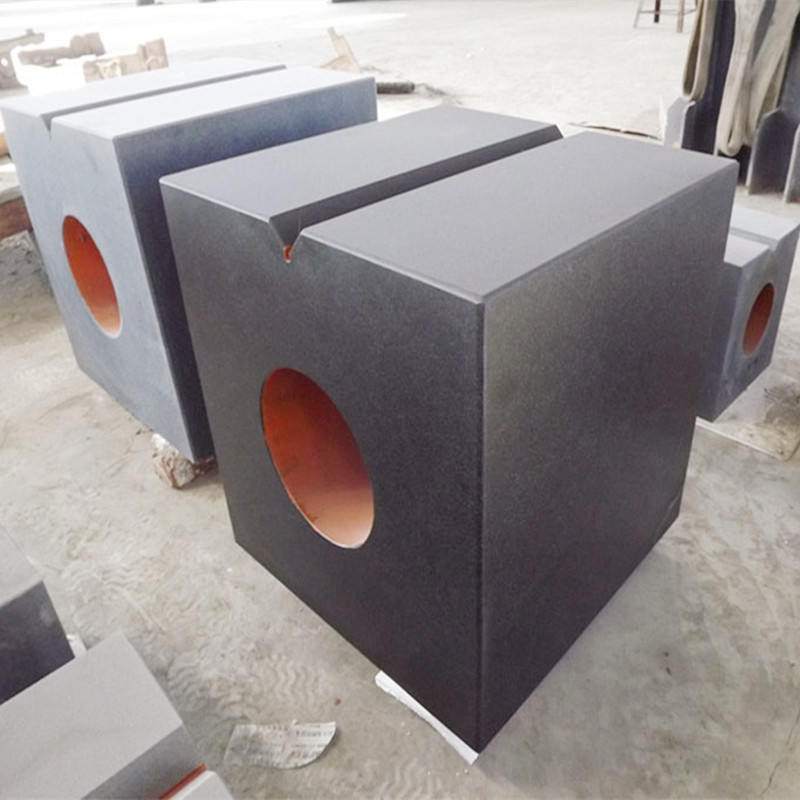
Making V Blocks A Guide to Precision Tooling When it comes to precision machining and fabrication, ensuring that workpieces are securely held and accurately aligned is paramount. One of the essential tools that can significantly enhance the accuracy of machining setups is the V block. These simple yet effective tools are designed to provide a stable and secure base for cylindrical and rectangular objects, making them indispensable in many workshops. In this article, we will explore the process of making V blocks and the critical considerations for achieving optimal precision. What is a V Block? A V block is a special clamping tool characterized by its V-shaped groove. This unique design allows it to hold cylindrical parts vertically, ensuring they are perfectly aligned for machining, grinding, or inspection. V blocks are often used in conjunction with milling machines, lathes, and surface grinders, making them versatile tools in metalworking and woodworking industries. Materials Required To create a V block, you will need the following materials and tools 1. Material High-grade steel or cast iron is preferred for durability and stability. Alternatively, aluminum can be used for lighter prototype applications. 2. Machining Tools A milling machine, lathe, drill press, and grinding machine are essential for precision shaping and finishing. 3. Measuring Instruments Calipers, micrometers, and gauges are necessary for ensuring accurate dimensions. 4. Cutting Tools End mills, saw blades, and grinding wheels are needed for shaping the V block. Step-by-Step Process 1. Planning the Design The first step in making a V block is designing it according to your specific requirements. Determine the dimensions based on the size of the workpieces you intend to use it with. Common sizes for V blocks are 2” x 4” x 6”, but custom sizes may be necessary depending on the application. 2. Cutting the Material making v blocks Using the appropriate saw, cut the raw material to roughly the desired dimensions. Ensure that you leave some excess material for precision machining later. A bandsaw or a chop saw works well for this initial cut. 3. Machining the Block Next, using a milling machine, start shaping the base block. Mill each face to ensure that they are flat and at right angles to each other. Pay special attention to maintaining squareness, as any deviation can lead to inaccuracies during use. 4. Creating the V Groove Once the block is shaped, it’s time to create the V groove. Set up the milling machine with an end mill cutter that matches the desired width of the V. The groove typically has a 45-degree angle, making it an ideal fit for standard cylindrical workpieces. Ensure the mill is properly aligned to achieve a symmetrical groove. 5. Finishing Touches After machining the V groove, inspect it for any burrs or sharp edges. Use a deburring tool or a hand file to smooth out the edges, which will help prevent damage to the workpieces being clamped. Additionally, a grinding machine can be employed to provide a precise finish and enhance the overall surface quality. 6. Calibration and Testing Before the V block can be put to use in actual machining operations, it’s crucial to calibrate and test it. Use measuring instruments to check the dimensions precisely. Ensure that the V groove is accurately cut to the correct angle and width. Testing it on a sample workpiece will confirm that it holds securely without any slippage. Conclusion Making V blocks is a straightforward process that yields significant benefits in precision machining applications. With the right materials, tools, and techniques, hobbyists and professionals alike can produce their own V blocks to suit specific project needs. By investing time in the planning and execution phases, operators can ensure that their V blocks contribute to higher accuracy, improved efficiency, and ultimately, better quality work in their machining endeavors. Whether in a home garage or a commercial workshop, mastering the art of making V blocks is a valuable skill for anyone involved in precision tooling.
about
glass coating types
The Significance of Fence Spikes A Barrier to Unwanted Intrusions Fence spikes, often referred to as anti-climb spikes or razor wire, are a critical element in the realm of security and boundary demarcation. They are not just an ordinary architectural feature; they are a powerful deterrent against potential intruders. These sharp, menacing structures serve as a physical barrier that discourages unauthorized access, ensuring the safety and privacy of the premises they protect. Fence spikes come in various forms, from traditional metal spikes to more modern designs like barbed wire and razor ribbon. Their primary function is to prevent individuals from scaling over fences, thus making it extremely difficult for trespassers to bypass security measures. The design of fence spikes is intentionally intimidating, acting as a psychological deterrent even before any physical attempt at climbing is made. The installation of fence spikes is a strategic decision, often employed in high-security areas such as military bases, prisons, government facilities, and even residential properties. They add an extra layer of protection to an already existing fence, enhancing its security capabilities. In a world where security threats are increasingly prevalent, fence spikes have become an essential component of many security systems. Moreover, fence spikes are not only about security; they also contribute to aesthetics. While their primary purpose is functional, they can also lend a touch of sophistication and elegance to a property's perimeter when integrated tastefully While their primary purpose is functional, they can also lend a touch of sophistication and elegance to a property's perimeter when integrated tastefully While their primary purpose is functional, they can also lend a touch of sophistication and elegance to a property's perimeter when integrated tastefully While their primary purpose is functional, they can also lend a touch of sophistication and elegance to a property's perimeter when integrated tastefully fence spikes . They can be customized to complement the overall design and architecture, turning a simple fence into a formidable yet stylish boundary. However, it's crucial to remember that with their effectiveness comes a level of responsibility. The use of fence spikes should always adhere to local laws and regulations, ensuring they do not pose a risk to public safety. It's also important to install them professionally to minimize the risk of injury to authorized personnel or animals. In conclusion, fence spikes are more than just a physical barrier; they represent a commitment to safety and privacy. They symbolize the proactive approach towards security, deterring potential threats before they occur. Whether it's a commercial complex or a private residence, fence spikes stand as silent sentinels, guarding the perimeter with an unwavering vigilance. They are a testament to the fact that sometimes, the best defense is a strong and visible offense.
-

High quality industrial productsagement

High quality industrial products
View Details -

Meet the diverse needs of customers

Meet the diverse needs of customers
View Details -

Strict quality control

Strict quality control
View Details -

Top raw materials

Top raw materials
View Details -

Trusted supplier

Trusted supplier
View Details
Our application


news and information

Welding Tables Available for Purchase at Competitive Prices
welding tables for sale .
Y Type Suction Strainer Overview and Applications in Fluid Systems
Understanding Y-Type Suction Strainers A Vital Component in Fluid Systems In various industrial appl
Versatile 3x6 Fabrication Table Designed for Welding Projects and Metalworking Applications
The Versatility and Importance of a 3x6 Welding Table Welding is a critical skill in various industr
 English